

Uncategorized
Power of Purchase: It’s Not Just What You Buy, But From Whom
In a world where consumer choices shape industries and economies, the act of purchasing goes beyond the simple exchange of goods for money. Every purchase we make is a statement, a vote cast in favor of certain values, ideologies, and practices. “Unveiling the Power of Purchase: It’s Not Just What You Buy, But From Whom” delves deep into the intricate web of implications tied to our buying habits, shedding light on the profound impact of mindful consumerism. As you navigate the aisles of endless products and scroll through virtual shopping carts, have you ever paused to consider the stories behind the items you purchase?
From artisanal treasures crafted with generations of expertise to mass-produced goods that traverse continents before reaching your hands, each acquisition narrates a tale of labor, ethics, and sustainability. The power of purchase transcends mere transactions; it embodies a potent tool for driving social change, advocating for transparency, and reshaping the landscape of commerce. Join us on a journey through the hidden realms of consumer influence, where every choice holds the potential to reshape industries, uplift communities, and redefine the concept of responsible consumption.
The Journey Towards Redefining Consumerism: A Call to Action
Consumerism has long been associated with the pursuit of material possessions and the relentless desire for more. However, a growing movement is challenging this conventional notion of consumerism and urging individuals to consider the impact of their purchases. It’s not just what you buy, but from whom. This shift towards mindful consumerism is gaining momentum as people become more aware of the social, environmental, and ethical implications tied to their buying habits.
By choosing to support businesses that align with their values, consumers have the power of Purchase to drive change and shape industries. The journey towards redefining consumerism begins with a call to action – a call for individuals to educate themselves about the practices and values of the companies they support. This means going beyond superficial marketing claims and delving into the transparency of supply chains, labor practices, and environmental sustainability.
When consumers make informed choices about where they spend their money, they can encourage businesses to adopt more responsible practices. By supporting companies that prioritize fair trade, ethical sourcing, and sustainable production methods, consumers send a clear message that they value these principles. This demand for responsible consumption has already led many industries to reevaluate their practices and make positive changes.
Empowering Industries, Uplifting Communities: The Ripple Effect of Responsible Consumption
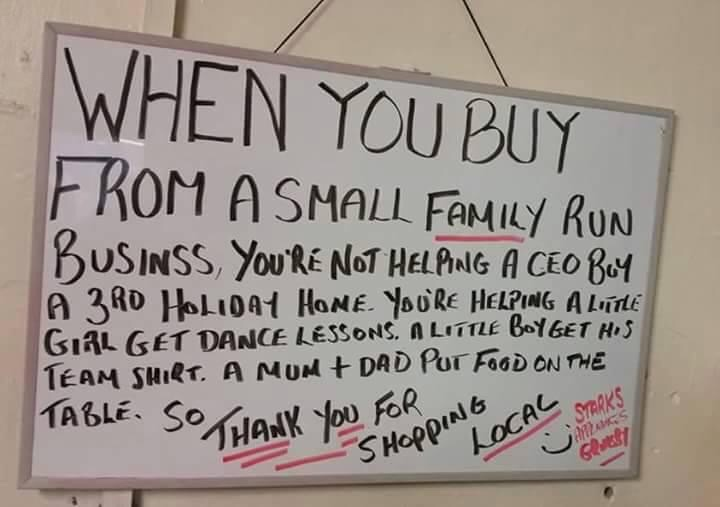
The impact of mindful consumerism extends far beyond individual purchases; it has the power to uplift entire communities and empower industries. When consumers choose to support local artisans or small-scale producers, they contribute directly to local economies and help create sustainable livelihoods.
By prioritizing fair wages and working conditions in their supply chains, businesses can foster economic growth in marginalized communities. This not only improves the lives of workers but also creates a ripple effect that benefits families and communities as a whole.
Furthermore, responsible consumption can drive innovation and encourage industries to adopt more sustainable practices. This shift towards sustainability not only benefits the planet but also opens up new opportunities for businesses to differentiate themselves in the market.
Reshaping the Commerce Landscape Through Conscious Consumption
Conscious consumption is about more than just making ethical choices; it’s about reimagining the entire commerce landscape. It involves questioning the prevailing norms of consumerism and exploring alternative models that prioritize people and the planet over profit.
One such model is the sharing economy, which promotes collaborative consumption and resource sharing. By embracing platforms that allow individuals to rent or share goods instead of buying them outright, consumers can reduce waste and minimize their environmental footprint.
Another emerging trend is the rise of social enterprises – businesses that prioritize social or environmental impact alongside financial success. These enterprises aim to create positive change through their operations, whether it’s by providing employment opportunities for marginalized communities or donating a portion of their profits to charitable causes.
Advocating for Transparency in the Supply Chain
A key aspect of mindful consumerism is advocating for transparency in supply chains. Consumers have a right to know where their products come from and how they were produced. This information allows them to make informed choices that align with their values.
Fortunately, there are initiatives and certifications that help consumers navigate this complex web of information. Fair trade certifications ensure that workers receive fair wages and safe working conditions, while organic certifications guarantee that products are free from harmful chemicals.
By supporting companies that prioritize transparency and accountability, consumers can hold businesses accountable for their actions. This encourages companies to adopt more ethical practices throughout their supply chains and helps create a more sustainable and responsible marketplace.
Consumerism as a Tool for Social Change
Consumerism, when approached mindfully, can be a powerful tool for driving social change. By supporting businesses that prioritize social and environmental impact, consumers can contribute to causes they believe in.
For example, purchasing products from companies that support gender equality or fair trade empowers marginalized communities and promotes social justice. Similarly, choosing eco-friendly products helps combat climate change and protect the environment for future generations.
Furthermore, consumer activism has the potential to influence government policies and regulations. When consumers unite behind a cause and demand change, policymakers are more likely to take notice and implement reforms that align with public sentiment.
In conclusion, the power of purchase extends far beyond the act of buying itself. It’s not just what you buy but from whom you buy that holds the key to redefining consumerism. By embracing mindful consumption practices, individuals have the ability to reshape industries, uplift communities, and drive positive change in our world.
Kirk Booher, Onguards