

General
Why We Exist: Unveiling the Power of Putting Customers First
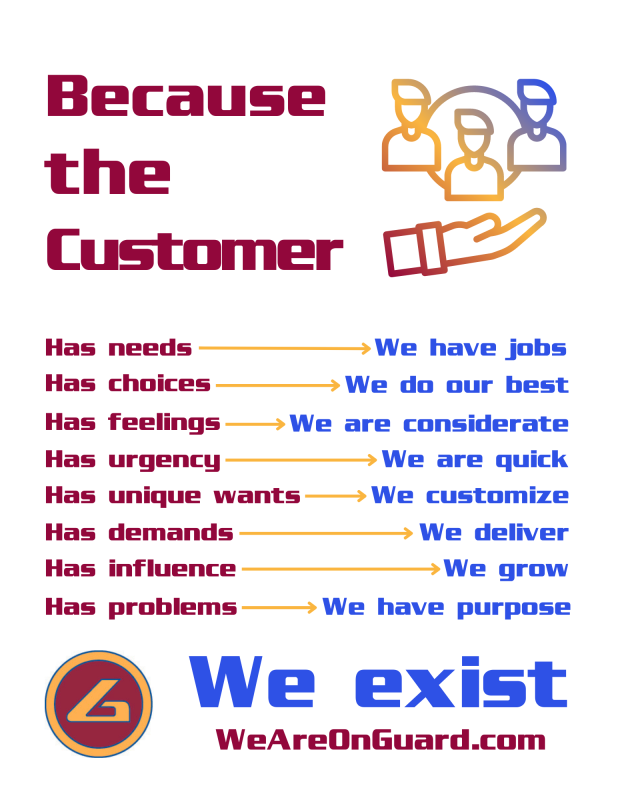
In a world where businesses often prioritize profit margins over people, a paradigm shift is imperative – one that delves deep into the core philosophy of existence. “Why We Exist: Unveiling the Power of Putting Customers First” peels back the layers of corporate ethos to reveal a profound truth that transcends transactions and elevates relationships. This isn’t just a mere exploration of customer service; it’s a compelling journey into the essence of purpose-driven commerce. Imagine a realm where every decision, every innovation, every heartbeat of a company beats in sync with the rhythm of customer satisfaction.
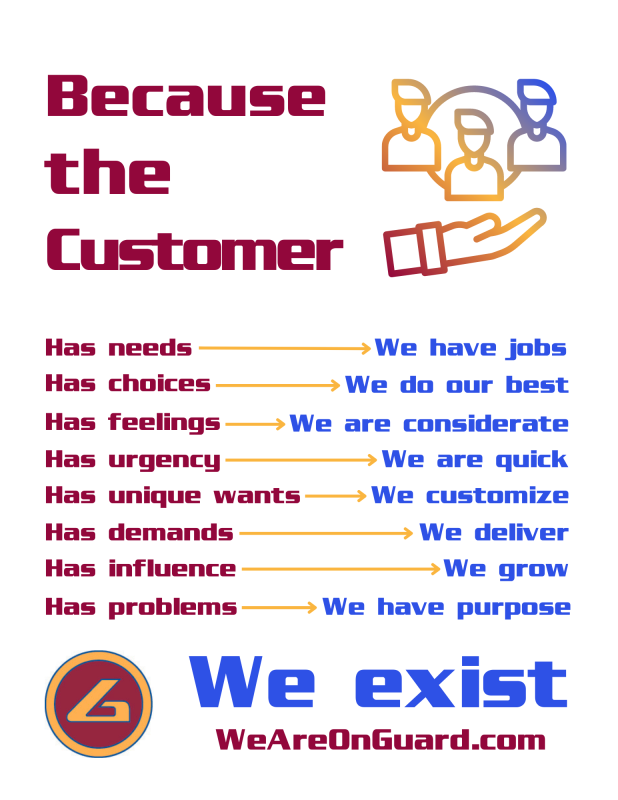
As the wheels of industry turn and the cacophony of competition grows louder, a select few entities stand out not for their products alone but for their unwavering commitment to the people they serve. Because the customer has…we exist. These words echo with a resounding clarity, heralding a new era where success is measured not just in revenue but in the resonance of meaningful connections forged through empathy and authenticity. Join us as we unravel the tapestry of mindful commerce and discover how prioritizing customers isn’t just a choice – it’s a transformative force that shapes destinies and redefines legacies.
Conclusion: Embracing the Power of Putting Customers First
As we draw to a close, it becomes evident that embracing the power of putting customers first is not just a fleeting trend but a fundamental shift in business philosophy. By cultivating brand advocacy through customer-centricity, measuring success with relevant metrics, recognizing the value of customer lifetime and creating personalized experiences, companies can unlock a world of opportunities.
When businesses prioritize customers, they foster loyalty and trust, leading to increased customer retention and advocacy. Satisfied customers become brand ambassadors, spreading positive word-of-mouth and attracting new customers organically. This organic growth fuels long-term success and sustainability.
Moreover, by focusing on metrics that truly reflect customer satisfaction and engagement rather than solely revenue-based indicators, businesses gain valuable insights into their customers’ needs and preferences. This enables them to make informed decisions that align with their target audience’s expectations.
Understanding the concept of customer lifetime value goes beyond viewing customers as one-time buyers. Instead, it recognizes the potential for ongoing relationships and repeat business. By nurturing these relationships through personalized experiences tailored to individual preferences, businesses can create lasting connections that transcend mere transactions.
In conclusion, putting customers first is not just an altruistic endeavor; it is a strategic imperative for businesses in today’s competitive landscape. By embracing this philosophy wholeheartedly and implementing strategies that prioritize customer-centricity at every touchpoint, companies can unlock unparalleled growth opportunities while building enduring relationships with their valued customers.
Cultivating Brand Advocacy Through Customer-Centricity
In an era where consumers are bombarded with countless options across various industries, cultivating brand advocacy has become more critical than ever before. The key lies in adopting a customer-centric approach that places the needs and desires of consumers at the forefront of business operations.
When businesses prioritize customer-centricity, they go beyond mere transactions and focus on building meaningful relationships. By understanding their customers’ pain points, desires, and aspirations, companies can tailor their products and services to meet these needs effectively.
One of the essential aspects of cultivating brand advocacy is delivering exceptional customer service. When customers feel valued and heard, they are more likely to become loyal advocates for a brand. This means going above and beyond to exceed expectations, resolving issues promptly, and providing personalized support.
Another crucial element in fostering brand advocacy is creating a seamless customer journey. From the first point of contact to post-purchase interactions, every touchpoint should be designed with the customer in mind. This includes intuitive website navigation, user-friendly interfaces, and streamlined processes that minimize friction.
Furthermore, businesses can leverage the power of social proof to cultivate brand advocacy. By encouraging satisfied customers to share their positive experiences through testimonials or online reviews, companies can build trust and credibility among potential customers.
Measuring Success: Metrics for Customer-Centric Businesses
Traditional metrics such as revenue and profit margins have long been used as indicators of business success. However, in a customer-centric landscape, it is essential to measure success using metrics that reflect the impact on customers’ lives rather than just financial gains.
One such metric is customer satisfaction scores (CSAT). By regularly surveying customers about their experience with a product or service, businesses can gauge how well they are meeting expectations. This metric provides valuable insights into areas for improvement and helps identify opportunities for growth.
Another important metric is Net Promoter Score (NPS), which measures customer loyalty and likelihood to recommend a brand to others. A high NPS indicates strong brand advocacy and reflects positively on overall business performance.
In addition to these direct measures of customer satisfaction, businesses can also track metrics such as customer retention rate and customer lifetime value (CLV). These metrics provide insights into the long-term value of customers and help identify strategies to increase loyalty and repeat business.
Finally, businesses should also consider monitoring social media sentiment and online reviews. These indicators provide real-time feedback from customers and can highlight areas where improvements are needed.
Customer Lifetime Value: Beyond the Initial Transaction
Customer lifetime value (CLV) is a metric that goes beyond the initial transaction to measure the long-term value a customer brings to a business. It takes into account not only the revenue generated from a single purchase but also the potential for future purchases and referrals.
Understanding CLV is crucial for businesses as it helps them allocate resources effectively. By identifying high-value customers, companies can tailor their marketing efforts to retain these customers and encourage repeat purchases.
To calculate CLV, businesses need to consider factors such as average purchase frequency, average order value, and average customer lifespan. By analyzing these variables, companies can gain insights into how much each customer is worth over their entire relationship with the brand.
Increasing CLV involves strategies such as upselling and cross-selling. By offering additional products or services that complement a customer’s initial purchase, businesses can increase their overall spend. Additionally, providing exceptional customer service throughout the entire customer journey contributes to higher CLV by fostering loyalty and repeat business.
Creating Personalized Experiences for Customers
In today’s digital age, customers expect personalized experiences that cater to their unique preferences and needs. Businesses that prioritize personalization have a competitive edge in capturing consumer attention and fostering long-term relationships.
A key aspect of creating personalized experiences is leveraging data effectively. By collecting relevant data points such as browsing behavior, purchase history, and demographic information, businesses can gain insights into individual customer preferences. This data can then be used to deliver targeted marketing messages and personalized recommendations.
Another way to create personalized experiences is by offering customization options. Allowing customers to personalize products or services according to their preferences not only enhances their satisfaction but also creates a sense of ownership and uniqueness.
Furthermore, businesses can leverage technology such as artificial intelligence and machine learning to automate personalization at scale. By analyzing large datasets, these technologies can identify patterns and make real-time recommendations that align with each customer’s preferences.
In conclusion, creating personalized experiences for customers is no longer a luxury but a necessity in today’s highly competitive marketplace. By harnessing the power of data and technology, businesses can deliver tailored experiences that resonate with customers on a deeper level, fostering loyalty and long-term relationships.
Kirk Booher, Onguards.