

Uncategorized
Unlocking the Future: Embrace Smart Living with Home Automation
In a world where technology is advancing at an unprecedented pace, the concept of home automation has emerged as a beacon of modernity and convenience. Imagine a home where lights dim with a simple voice command, where the temperature adjusts automatically to your preference, and where security systems can be monitored and controlled from the palm of your hand. It’s no longer a vision of the future; it’s the reality of smart living that is transforming the way we interact with our homes. Step into a realm where your living space becomes an extension of your desires and needs, where mundane tasks are automated, and where efficiency and comfort intertwine seamlessly.
This blog post delves deep into the realm of home automation, shedding light on how embracing this technological marvel can revolutionize the way we live. Get ready to unravel the endless possibilities that come with embracing smart living and discover how you can “Get Smart with Home Automation” to unlock a future where your home truly works for you.
The Evolution of Home Automation: From Sci-Fi Fantasy to Everyday Reality
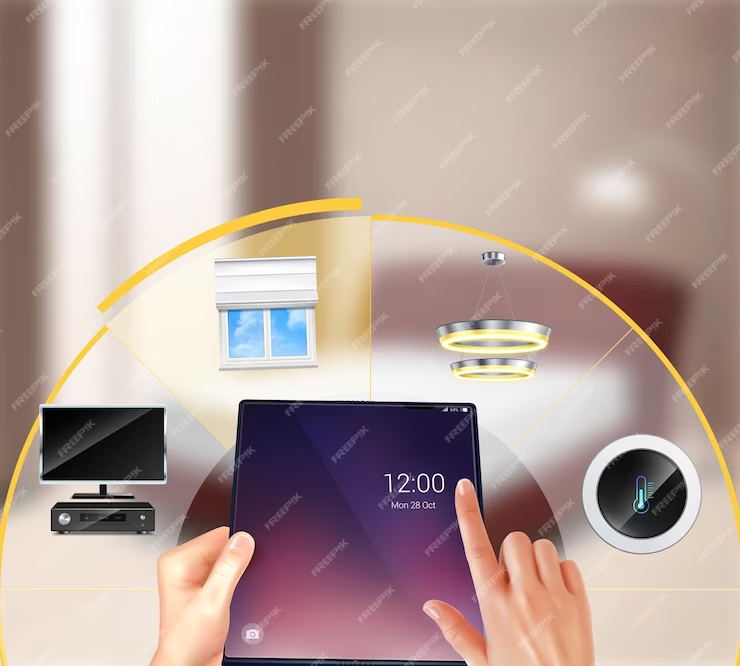
Home automation, once considered a futuristic concept only seen in science fiction movies, has now become an everyday reality for many homeowners. The evolution of this technology has been nothing short of remarkable, with advancements in connectivity, artificial intelligence, and smart devices making it possible to transform any house into a smart home. From controlling lighting and climate to enhancing security and convenience, home automation has revolutionized the way we interact with our living spaces.
Just a few decades ago, the idea of controlling your home’s appliances and systems remotely seemed like something out of a fantasy novel. However, with the advent of the internet and wireless technology, this dream became attainable. The first wave of home automation focused primarily on basic tasks such as turning lights on and off or adjusting thermostats from a central control panel within the house.
As technology continued to advance at an exponential rate, so did the capabilities of home automation systems. The introduction of voice recognition technology allowed homeowners to control their smart devices using simple voice commands. This marked a significant milestone in the evolution of home automation, as it made interacting with smart homes more intuitive and user-friendly.
Today, we find ourselves living in an era where almost every aspect of our homes can be automated and controlled remotely. From lighting solutions that can be customized to suit different moods and occasions to thermostats that learn your preferences and adjust accordingly, smart homes have truly become an extension of our desires and needs.
Key Components of a Smart Home Ecosystem
A smart home ecosystem comprises various interconnected devices that work together seamlessly to create an intelligent living space. These devices communicate with each other through wireless protocols such as Wi-Fi or Bluetooth, allowing homeowners to control them using smartphones or voice assistants.
One of the key components of a smart home ecosystem is a central hub or controller. This device acts as the brain of the system, coordinating communication between different devices and enabling homeowners to control them from a single interface. With a central hub, you can easily manage your smart lights, thermostats, security systems, and other connected devices.
Another essential component of a smart home ecosystem is smart lighting solutions. These innovative lighting systems allow you to control the brightness, color, and ambiance of your lights using your smartphone or voice commands. Whether you want to create a cozy atmosphere for movie nights or set up automated lighting schedules to simulate occupancy while you’re away, smart lighting solutions offer unparalleled convenience and flexibility.
Enhancing Comfort and Convenience: Automated Lighting Solutions
Automated lighting solutions are one of the most popular features of modern smart homes. With these systems in place, you can say goodbye to manually flipping switches or fumbling for light switches in the dark. Instead, you can effortlessly control your lights with simple voice commands or through an app on your smartphone.
Smart lighting solutions offer a range of benefits beyond mere convenience. For instance, they allow you to create personalized lighting scenes that suit different activities or moods. Whether you’re hosting a dinner party or enjoying a quiet evening at home, you can easily adjust the brightness and color temperature of your lights to create the perfect ambiance.
Climate Control at Your Fingertips: The Benefits of Smart Thermostats
Gone are the days when adjusting the temperature in your home meant getting up from your seat and manually turning a dial. With smart thermostats, you can now control the climate of your living space with a few taps on your smartphone or even through voice commands.
Smart thermostats offer a range of benefits that go beyond convenience. They learn your temperature preferences and daily routines, automatically adjusting the temperature to ensure optimal comfort while saving energy. For example, if you typically lower the temperature at night before going to bed, a smart thermostat will learn this pattern and make the adjustment for you.
Furthermore, smart thermostats can be integrated with other smart devices in your home, such as occupancy sensors or weather forecasts. This allows them to make intelligent decisions about when to adjust the temperature based on factors like whether anyone is home or if it’s going to be a particularly hot or cold day.
Securing Your Sanctuary: Smart Home Security Systems
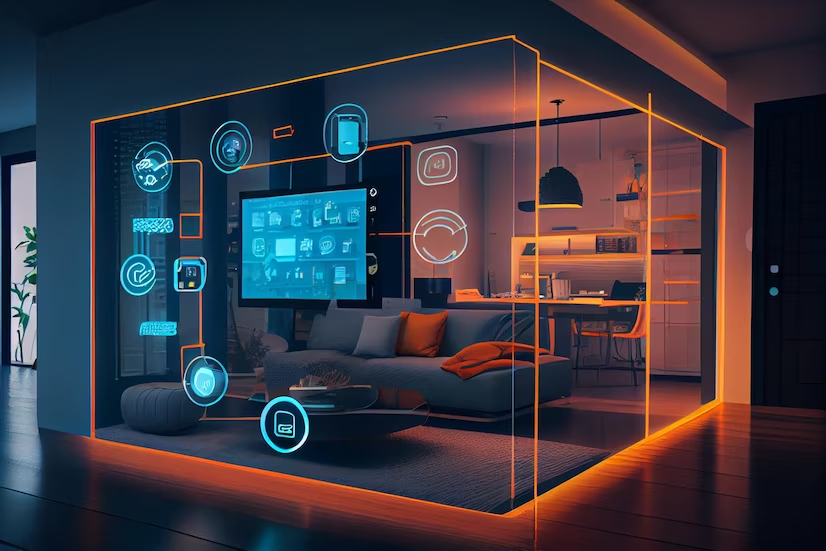
When it comes to home automation, security is a top priority for many homeowners. Smart home security systems offer advanced features that provide peace of mind and protect your property from potential threats.
One of the key advantages of smart home security systems is remote monitoring and control. With these systems in place, you can keep an eye on your home from anywhere in the world using your smartphone or computer.
In addition to remote monitoring, smart security systems also offer features such as motion detection, door/window sensors, and alarms. These devices work together seamlessly to detect any suspicious activity and alert you immediately. Some systems even have integration with other smart devices like lighting solutions, allowing you to create an illusion of occupancy when you’re away.
Kirk Booher, Onguads.