

Safety & Security Tips
Mastering Basic Winter Driving Planning: Essential Tips for a Safe Journey
Driving in winter conditions can be challenging and even dangerous if you’re not properly prepared. As the temperatures drop and the snow starts to fall, it’s crucial to have a solid plan in place for your winter journeys. Whether you’re a seasoned driver or a newcomer to snowy roads, mastering basic winter driving planning is essential for a safe and stress-free experience. The mere thought of driving in icy or snowy conditions can send shivers down your spine. But fear not! This comprehensive guide will equip you with the necessary tips and tricks to navigate through winter’s toughest road obstacles. From prepping your vehicle to making smart decisions behind the wheel, we’ll cover it all. As the snowflakes blanket the ground and the chill fills the air, you’ll learn how to create a foolproof plan before embarking on any winter journey. We’ll delve into the importance of checking road and weather conditions, understanding your route, and packing essential supplies in case of emergencies. By following our expert advice, you’ll tackle the winter roads with confidence and peace of mind. Join us as we uncover the secrets to mastering basic winter driving planning. The knowledge you gain here will empower you to conquer any winter road trip, no matter how treacherous the conditions may seem. So buckle up and get ready to become a winter driving pro, ensuring your safety and well-being every step of the way.
Preparing Your Vehicle for Winter Road Conditions
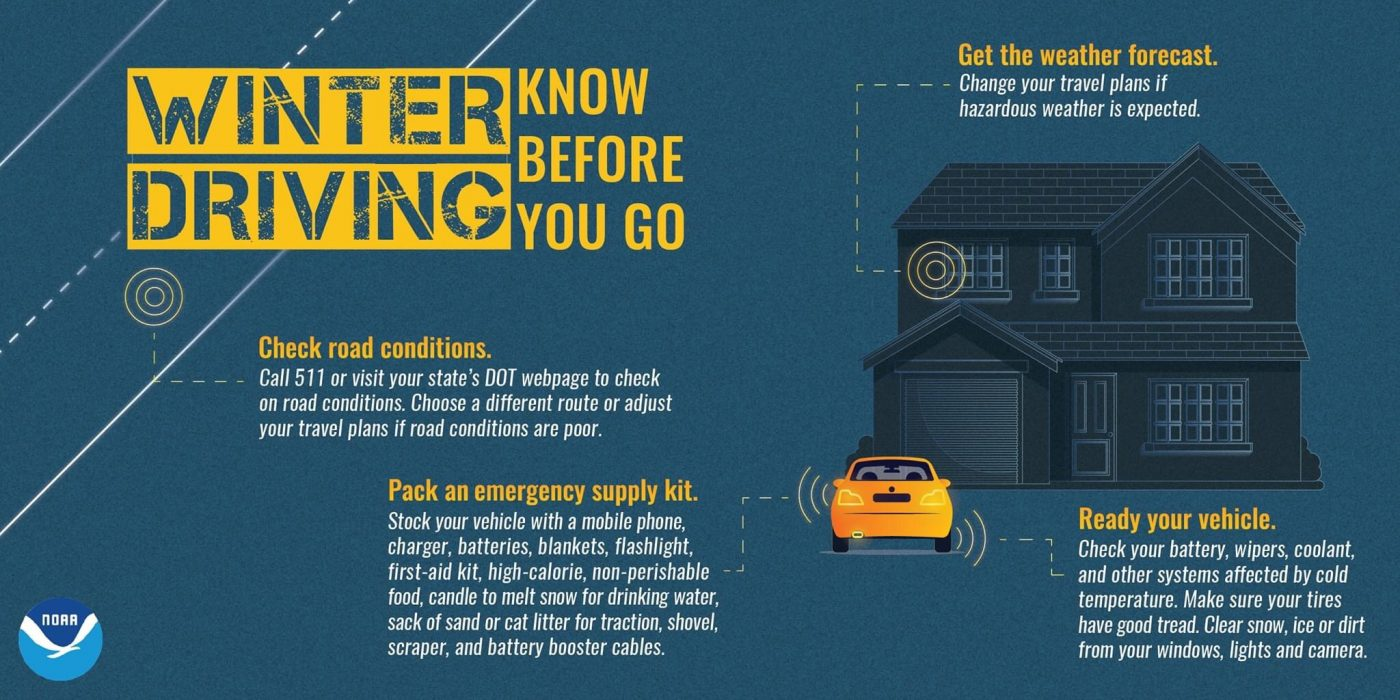
Before hitting the road during winter, it’s crucial to ensure that your vehicle is prepared to handle the challenging conditions. Taking the time to properly prepare your vehicle can make a significant difference in your safety and overall driving experience. Here are some essential tips for getting your vehicle ready for winter:
First and foremost, check your tires. Make sure they have adequate tread depth and are properly inflated. Winter tires are highly recommended as they provide better traction on snowy and icy roads. If you’re not using winter tires, consider investing in tire chains for added grip.
Next, check your battery. Cold temperatures can significantly reduce battery power, so it’s important to have a fully charged battery that is in good condition. If your battery is more than a few years old, it may be wise to have it tested or replaced before winter arrives.
Don’t forget about your windshield wipers and fluid. Visibility is crucial when driving in winter conditions, so make sure your wipers are in good condition and replace them if necessary. Additionally, use a windshield washer fluid that is designed for freezing temperatures to prevent it from freezing on your windshield.
Lastly, ensure that all of your vehicle’s lights are working properly. This includes headlights, taillights, brake lights, and turn signals. During winter months when daylight hours are shorter, having functioning lights is essential for both visibility and signaling other drivers.
Checking Road and Weather Conditions
Prior to embarking on any winter journey, it’s important to stay informed about current road and weather conditions. This will help you make informed decisions about whether or not it’s safe to travel and what precautions you should take along the way.
Start by checking local weather forecasts for the areas you’ll be driving through. Pay attention to any winter weather advisories, such as snowstorms or freezing rain warnings. If possible, plan your trip around more favorable weather conditions.
In addition to checking the weather, stay updated on road conditions. Many states and provinces have websites or phone hotlines that provide real-time information about road closures, accidents, and traffic congestion. Take advantage of these resources to ensure you’re aware of any potential hazards along your route.
It’s also a good idea to have a backup plan in case conditions worsen during your journey. Identify rest areas or hotels along your route where you can safely stop and wait out a storm if necessary. Being prepared for unexpected changes in weather will help keep you safe on the road.
Understanding Your Route
Knowing your route inside and out is essential for a successful winter journey. Take the time to familiarize yourself with the roads you’ll be traveling on, especially if they are unfamiliar to you.
Use GPS navigation systems or online mapping tools to plan your route in advance. Be aware of any potential detours or construction zones that may affect your travel time or road conditions.
In addition to planning your route, consider alternative routes as well. Having options can be helpful if certain roads become impassable due to weather conditions or accidents.
Lastly, make note of any rest stops, gas stations, or restaurants along your route where you can take breaks and refuel. It’s important to give yourself plenty of time for rest and refreshment during long drives in winter conditions.
Packing Essential Supplies for Emergencies
No matter how well-prepared you are, emergencies can still happen on winter roads. That’s why it’s crucial to pack essential supplies that can help keep you safe and comfortable in case of an unexpected situation.
First and foremost, make sure you have a fully stocked emergency kit in your vehicle. This should include items such as a flashlight, extra batteries, a first aid kit, blankets or sleeping bags, non-perishable food, water, and a portable phone charger.
It’s also wise to pack extra warm clothing and footwear in case you need to leave your vehicle for any reason. Winter boots, gloves, hats, and scarves can help protect you from the cold if you find yourself stranded or needing to walk for help.
Additionally, consider carrying a small shovel and some sand or kitty litter in your trunk. These items can be useful for getting your vehicle unstuck from snow or ice.
Adjusting Your Driving Habits for Winter Roads
Once you’ve prepared your vehicle and planned your route, it’s important to adjust your driving habits to accommodate winter road conditions. Here are some tips for safe winter driving:
Firstly, reduce your speed. Driving at a slower pace allows for better control of your vehicle on slippery roads. It also gives you more time to react to any unexpected obstacles or hazards.
Maintain a safe following distance between yourself and the vehicle ahead of you. This will give you ample time to brake gently and avoid collisions if the road is icy or if the car in front of you suddenly stops.
Avoid sudden acceleration or braking as much as possible. Instead, accelerate and decelerate gradually to maintain traction on slippery surfaces.
If you encounter black ice – a thin layer of transparent ice that is difficult to see – remain calm and avoid sudden maneuvers. Instead, steer gently in the direction you want to go without making any abrupt turns or braking harshly.
Lastly, always wear your seatbelt and ensure that all passengers are properly restrained. Seatbelts save lives, and they are especially important during winter driving when road conditions can be unpredictable.
By following these tips and mastering basic winter driving planning, you’ll be well-prepared to tackle any winter road trip with confidence. Remember, safety should always be your top priority when driving in winter conditions. Stay informed, stay prepared, and stay safe!
Kirk Booher, Onguards.