

Uncategorized
Best Communication Type for Alarm Monitoring Connections
In the vast landscape of alarm monitoring connections, navigating through the myriad of communication types can feel like embarking on a complex puzzle. Each option carries its own set of advantages and drawbacks, leaving many pondering: What communication type truly reigns supreme in the realm of alarm monitoring connections? As technology continues to evolve at breakneck speed, the quest for the most reliable and efficient means of communication remains ever-persistent. Imagine a world where your alarm system seamlessly communicates with monitoring centers, ensuring swift and accurate responses during critical moments.
This journey delves into the heart of alarm monitoring connections, dissecting the pros and cons of various communication types to unveil the ultimate guide for optimizing security and peace of mind. With the SEO keyword “Alarm Monitoring Connections – What Communication Type is Best?” serving as our compass, let’s embark on an enlightening exploration to demystify the enigmatic realm of alarm monitoring and unveil the most effective communication type that stands the test of time.
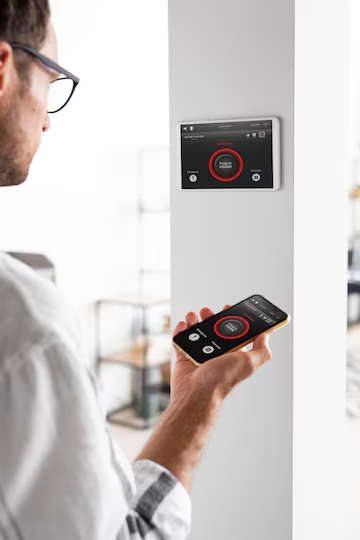
The Evolution of Communication Types in Alarm Systems
Over the years, alarm systems have undergone a remarkable transformation, adapting to the ever-changing landscape of technology. Gone are the days when landline communication was the sole option for connecting alarm systems to monitoring centers. As advancements in wireless technology continue to revolutionize our lives, cellular communication has emerged as a formidable contender in the realm of alarm monitoring connections.
Landline Communication: The Traditional Choice
For decades, landline communication has been the go-to choice for connecting alarm systems. This method utilizes a physical telephone line to transmit signals between the alarm system and monitoring center. While landlines offer stability and reliability, they do come with their fair share of limitations.
One major drawback of landline communication is its vulnerability to physical tampering. Intruders can easily cut or disable phone lines, rendering the alarm system useless in such scenarios. Additionally, landlines are susceptible to power outages, leaving homes and businesses unprotected during blackouts.
Cellular Communication: Embracing Wireless Technology
In recent years, cellular communication has gained significant traction in the world of alarm monitoring connections. This method harnesses wireless technology by utilizing cellular networks to transmit signals between the alarm system and monitoring center.
The primary advantage of cellular communication is its resilience against physical tampering. Unlike landlines, which can be easily compromised, cellular connections remain intact even if phone lines are cut or disabled. This ensures that your alarm system remains operational and capable of alerting authorities during emergencies.
Another benefit of cellular communication is its immunity to power outages. Since it relies on wireless networks rather than physical infrastructure, your alarm system will continue functioning even when electricity is disrupted.
Ensuring Data Security in Alarm Monitoring Connections
When it comes to alarm monitoring connections, data security is of paramount importance. The transmission of sensitive information between your alarm system and monitoring center must be safeguarded against potential threats.
Both landline and cellular communication methods employ encryption protocols to protect data during transmission. However, cellular communication offers an additional layer of security through its use of advanced encryption algorithms. This ensures that your data remains secure and inaccessible to unauthorized individuals.
Furthermore, cellular communication eliminates the risk of interception that may occur with landline connections. Since cellular signals are transmitted wirelessly, they are significantly more difficult to intercept or tamper with compared to physical phone lines.
Conclusion: The Optimal Communication Type for Alarms Monitoring
After a thorough examination of the various communication types in alarm systems, it becomes clear that cellular communication reigns supreme in terms of reliability, resilience, and data security.
While landline communication may have served as the traditional choice for many years, its vulnerabilities to physical tampering and power outages make it less desirable in today’s rapidly evolving technological landscape.
In contrast, cellular communication harnesses the power of wireless networks to ensure uninterrupted connectivity between your alarm system and monitoring center. Its immunity to physical tampering and power outages provides peace of mind knowing that your security remains intact even in challenging circumstances.
In addition, the advanced encryption algorithms employed by cellular communication guarantee the utmost protection for your sensitive data during transmission.
As you navigate the realm of alarm monitoring connections, remember that choosing the optimal communication type is crucial for maximizing security and peace of mind. By embracing cellular communication, you can rest assured knowing that your alarm system is equipped with a reliable and resilient connection that stands the test of time.
Kirk Booher, OnGuards.