

Uncategorized
How To Keep Your Home Safe & Warm This Winter
Keeping your home safe and warm during winter involves a combination of maintenance, safety measures, and energy-efficient practices. Here’s a guide to help you prepare:
1. Weatherproof Your Home
- Insulate Windows and Doors: Use weatherstripping and caulking to seal gaps around windows and doors. Consider installing double-glazed windows or thermal curtains.
- Add Insulation: Ensure your attic, walls, and floors are properly insulated to prevent heat loss. Insulating pipes can also help avoid freezing.
- Check for Drafts: Identify and seal any drafts in your home, including around electrical outlets and baseboards.
2. Maintain Your Heating System
- Service Your Furnace: Schedule a professional inspection and cleaning of your furnace or heating system before winter sets in. Replace the furnace filter regularly to maintain efficiency.
- Check the Chimney: If you have a fireplace, ensure the chimney is clean and free of obstructions. Consider installing a chimney cap to keep out debris and animals.
- Thermostat Settings: Use a programmable thermostat to lower the temperature when you’re not home or asleep, which can save energy and money.
3. Protect Your Pipes
- Insulate Exposed Pipes: Wrap pipes in insulation or heat tape, especially those in unheated areas like basements and attics.
- Let Faucets Drip: During extremely cold weather, let your faucets drip to prevent pipes from freezing. Running water through the pipes can help prevent freezing.
- Disconnect Outdoor Hoses: Drain and store garden hoses, and shut off the water supply to outdoor faucets.
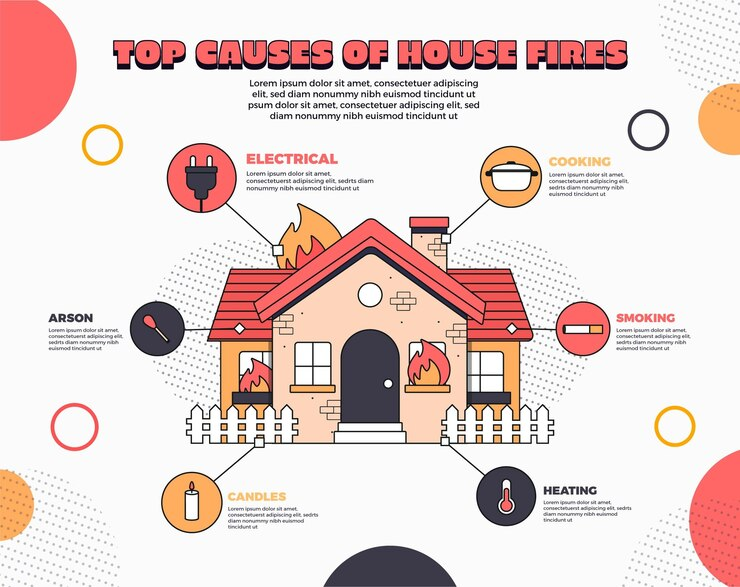
4. Fire Safety
- Check Smoke and Carbon Monoxide Detectors: Ensure all smoke and carbon monoxide detectors are working properly and replace batteries if needed.
- Fireplace Safety: Use a screen or glass doors to prevent sparks from escaping the fireplace. Never leave a fire unattended.
- Space Heaters: If using space heaters, keep them at least three feet away from flammable materials and never leave them on when you’re not in the room.
5. Prepare for Emergencies
- Emergency Kit: Keep an emergency kit with essentials like blankets, flashlights, batteries, and a first aid kit in case of power outages.
- Backup Power: Consider investing in a generator or portable power source to keep critical appliances running during an outage.
- Stock Up on Supplies: Ensure you have enough food, water, and medications to last a few days in case of severe weather.
6. Improve Energy Efficiency
- Use Heavy Curtains: Heavy or thermal curtains can help keep heat in and cold out, particularly at night.
- Reverse Ceiling Fans: In winter, set your ceiling fan to run clockwise at a low speed to circulate warm air that rises to the ceiling.
- Energy-Efficient Appliances: Use energy-efficient appliances and light bulbs to reduce energy consumption.
7. Home Security
- Lighting: Install outdoor lights with motion sensors to deter potential intruders. Keep your home well-lit, especially around entry points.
- Smart Security Systems: Consider installing a smart security system, like DoorVi™, which allows remote monitoring and communication with visitors, ensuring your home is secure even when you’re not there.
- Vacation Preparation: If you’re traveling, use timers for lights and ask a neighbor to check on your home. Avoid posting your travel plans on social media.
By taking these steps, you can ensure that your home remains safe, warm, and energy-efficient throughout the winter season.
Kirk Booher, Onguards.