

Uncategorized
Unlocking the Best Communication Type for Alarm Monitoring Connections
In the interconnected web of modern security systems, the lifeline that ensures prompt responses and seamless communication is none other than the alarm monitoring connections. Picture this scenario: a potential threat looms, triggering the alarm to blare urgently for attention. In those critical moments, the choice of communication type becomes paramount, determining whether help arrives swiftly or remains a distant promise.
Embark on a journey with us as we delve deep into the realm of alarm monitoring connections, unearthing the hidden gems of communication types that stand out as the unsung heroes of security systems. From the tried-and-tested methods to the cutting-edge innovations shaping the landscape, this exploration will shed light on which communication type reigns supreme in the realm of security – providing you with invaluable insights and expert guidance to navigate the ever-evolving terrain of safeguarding what matters most. Get ready to unravel the secrets behind unlocking the best communication type for alarm monitoring connections, where every beep and blip holds the key to ensuring peace of mind in an uncertain world.
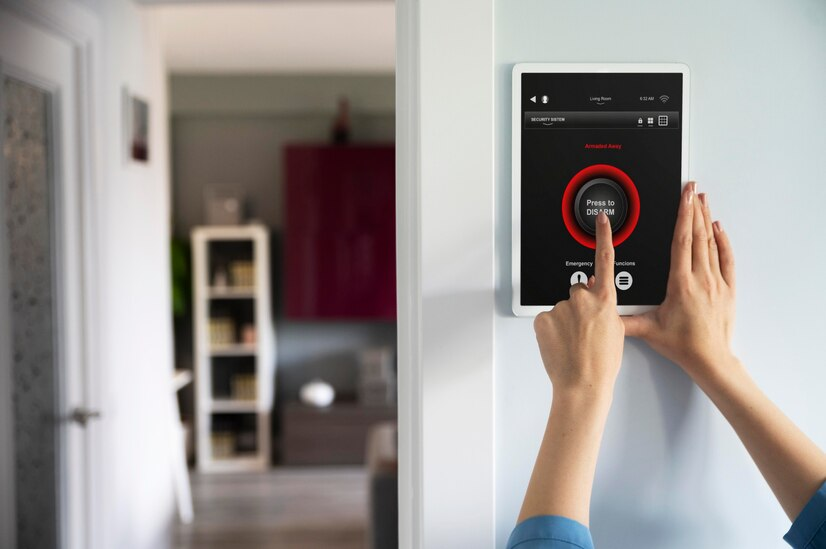
The Importance of Reliable Communication in Alarm Monitoring Systems
When it comes to alarm monitoring systems, reliable communication is of utmost importance. In emergency situations, every second counts, and a delay in communication can have dire consequences. That’s why choosing the right communication type for your alarm monitoring connections is crucial.
Reliable communication ensures that when an alarm is triggered, the signal reaches the monitoring center promptly and accurately. It allows for quick response times and ensures that help is dispatched without delay. Without reliable communication, false alarms may go unnoticed or genuine emergencies may not receive the attention they require.
There are several different types of communication options available for alarm monitoring systems. Each has its own advantages and considerations to take into account. Let’s explore some of the most common options and determine which one is best suited for your needs.
Traditional Landline Communication: A Steadfast Choice or Outdated Relic?
Landline communication has been a staple in alarm monitoring systems for many years. It utilizes a dedicated phone line to transmit signals between the security system and the monitoring center. While landlines have been reliable in the past, they are becoming less popular due to advancements in technology.
One of the main drawbacks of landline communication is its vulnerability to physical disruptions. If the phone line is cut or damaged, it can sever the connection between your security system and the monitoring center. Additionally, landlines are susceptible to power outages, which can render them useless during emergencies.
However, landlines do have their advantages. They are typically more affordable than other types of communication options and may be suitable for areas with limited cellular coverage or unreliable internet connections.
Embracing Cellular Networks: The Versatility and Resilience They Offer
In recent years, cellular networks have emerged as a popular choice for alarm monitoring connections. Cellular communication utilizes wireless technology to transmit signals between the security system and the monitoring center.
One of the biggest advantages of cellular communication is its versatility. It can be used in areas where landlines are not available or practical, and it is not dependent on internet connectivity. Cellular networks also tend to be more reliable than landlines, as they are less susceptible to physical disruptions.
Another benefit of cellular communication is its resilience during power outages. Since it doesn’t rely on a physical connection or external power source, it can continue to function even when the electricity goes out.
Internet Protocol (IP) Communication: Blazing a Trail in Modern Security Systems
Internet Protocol (IP) communication has gained traction in recent years due to its flexibility and convenience. It utilizes an internet connection to transmit signals between the security system and the monitoring center.
One of the key advantages of IP communication is its ability to transmit data quickly and efficiently. It allows for real-time monitoring and remote access to your security system from anywhere with an internet connection.
However, IP communication does have some considerations. It relies heavily on internet connectivity, so a stable and reliable internet connection is essential for uninterrupted service. Additionally, IP communication may be more vulnerable to cyber threats compared to other types of communication options.
Dual-Path Communication: Redundancy for Unwavering Reliability
To ensure unwavering reliability in alarm monitoring systems, many providers offer dual-path communication options. Dual-path communication combines two different types of communication (e.g., cellular and IP) for redundancy.
The advantage of dual-path communication is that if one path fails or experiences disruptions, the other path can still transmit signals effectively. This redundancy provides an extra layer of reliability and ensures that your alarm monitoring connections remain intact even in challenging circumstances.
When choosing the best communication type for your alarm monitoring connections, it’s essential to consider factors such as reliability, availability, and your specific needs. Each communication type has its own strengths and weaknesses, so it’s crucial to weigh them against your requirements.
Ultimately, the best communication type for alarm monitoring connections will depend on various factors unique to your situation. Whether you opt for traditional landline communication, embrace cellular networks, leverage IP communication, or implement dual-path communication, the key is to prioritize reliable and prompt communication to safeguard what matters most.
Kirk Booher, Onguards.